Ecuador.
Approach Ecuador with SENAE-led import planning, sanitary registration where applicable, dollarized pricing, and channels tested city by city.
Ecuador at a glance.
2024 reference-year data, not a live forecast. Use economic scale as context—not as a measure of demand for your product.
Source: World Bank World Development Indicators · Retrieved 2026-09-17 · CC BY 4.0. GDP and GDP per capita use current US dollars, not purchasing-power parity. GDP per capita is not household income; growth is the annual change in real GDP. Figures are rounded and subject to revision. Missing observations are shown as unavailable, never zero. A fixed 2024 snapshot keeps comparisons on the same reference year; newer releases may exist.
Explore the opportunity
Read the market city by city
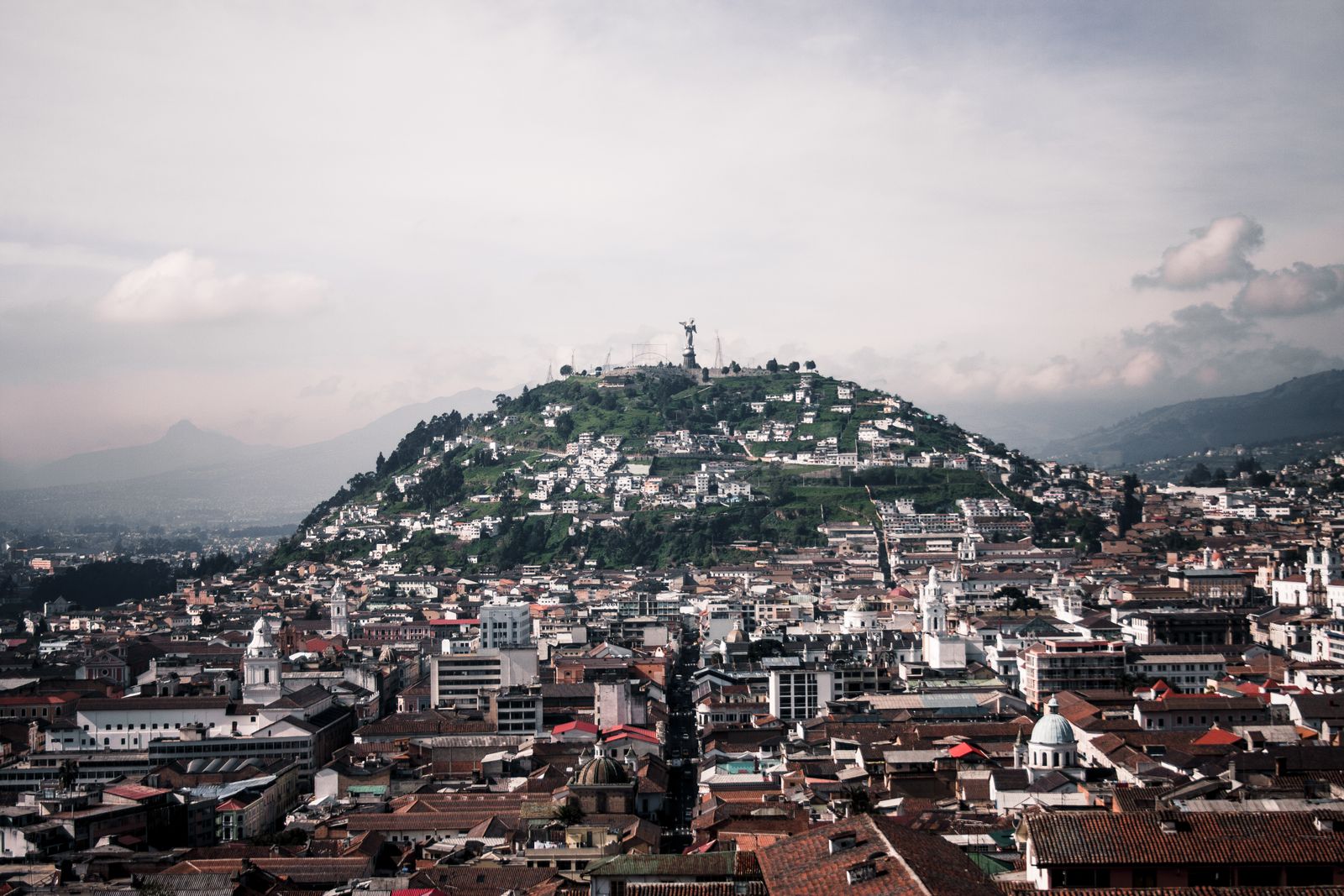
Ecuador's dollarized economy simplifies invoicing but not demand: Quito, Guayaquil, and Cuenca differ in climate, channels, and purchasing patterns. Supermarket chains, traditional trade, and pharmacies reach distinct segments; imports often compete on price with regional products. Define the target shopper, the substitute, and the pack price that supports repeat purchase; verify which cities the partner actively covers.
Map sanitary and technical review
Processed food, cosmetics, and health-related products can require sanitary registration or notification; agricultural goods follow a separate plant and animal health route, and technical rules apply to specified categories. Confirm the route, the local holder, and realistic timelines. Spanish labeling should meet Ecuadorian requirements; specialist review should finish before market-specific packs are produced.
Control the route and the cash cycle
Model port entry, inland mountain transport, warehouse conditions, and reorder lead times before promising supply. Pilot one city and channel with stock and sell-through reporting; agree how promotions and slow movers are funded. Use distributor diligence to verify coverage and reliability before exclusivity or credit.
- Choose opening cities and the channel reaching them.
- Identify the sanitary or technical route and holder.
- Pilot with reporting before credit or exclusivity.
Research and next steps
Use Servicio Nacional de Aduana del Ecuador (SENAE) as an official research starting point, not product approval. Requirements can change; obtain current category-specific advice before shipping. Connect market research, distributor development, and compliance coordination in one plan. Compare alternatives in the wider region, or use our export assessment to identify the decisions your team needs to make first.
Regulatory bodies and product-entry questions
Start with the agencies below to map responsibilities for your exact product, origin, claims, and selling route. This is not an exhaustive list or a determination of current legal requirements. Customs release, product compliance, and retail acceptance are separate decisions; verify applicable national and subnational rules before committing stock.
Servicio Nacional de Aduana del Ecuador — SENAE
Customs clearance, tariff and import procedures. Confirm the importer of record, classification and documentation; customs release does not replace sanitary registration or technical regulation.
ARCSA — national sanitary regulation agency
Sanitary registration, notification and control for processed food, cosmetics, medicines and related products. Identify the product's route and the local holder; one approval does not cover every variant.
Agrocalidad
Plant and animal health import controls. Check commodity, origin and processing conditions; agricultural requirements are separate from processed-food sanitary registration.
Map the SENAE customs process, the ARCSA, Agrocalidad or technical-regulation route for the category, Spanish labeling and the local registration holder before shipping. Dollarization removes exchange-rate conversion questions on invoicing but not the need for disciplined landed-cost and payment-term planning; confirm current procedures with local advisers.
Pilot in one city with a defined channel and modest stock, agreeing replenishment, promotion funding and slow-mover handling. Model port-to-inland transport and reorder lead times honestly, and extend territory or credit only on account-level sell-through and payment evidence.
Retailers, marketplaces and distribution routes
These are examples to research, not partners of OutsourcedExport, endorsements, or promises of supplier access. A marketplace seller account is different from a wholesale retail listing. Confirm the current country footprint, category fit, supplier process, fees, and service obligations directly.
Supermaxi / Corporación Favorita
Leading supermarket operator across Ecuadorian cities. Confirm the banner, regional buying structure and replenishment terms; group scale does not remove city-level assortment decisions.
TIA
Discount-oriented grocery chain. A tightly priced, focused assortment proposition may fit better than a broad premium range; test pack price against strong value alternatives.
Build an account-level plan: who buys your category, what evidence earns a trial, and who funds promotion, returns, and replenishment? Use the distributor qualification checklist to assess real coverage rather than accepting a list of retailer logos as evidence.
Consumer preferences: what to validate locally
Preferences vary by customer segment, income, location, category, and purchase occasion. Treat these considerations as research questions, not claims that everyone in Ecuador behaves alike. Validate them with local buyers, current competitor listings, and small commercial tests.
- Test Quito, Guayaquil and Cuenca separately; altitude, climate and channel mix change both demand and product handling requirements.
- Compare imported propositions with domestic and regional alternatives at actual shelf prices, and validate whether smaller pack sizes expand trial more than brand storytelling.
- Validate Spanish labeling and usage instructions with local shoppers, and test delivery and storage performance across mountainous routes rather than assuming capital-city conditions.
Compare equivalent pack sizes and tax-inclusive checkout prices, not just advertised shelf prices. Test language, instructions, product claims, delivery expectations, and returns with the intended customer. Record the evidence and its date before changing the assortment or committing to a national launch.
Build a focused Ecuador launch plan
- Define the offer: choose a narrow assortment, target customer, initial geography, and accountable internal owner.
- Resolve mandatory requirements: document classification, importer responsibilities, testing, labeling, claims, and any category or local obligations with qualified specialists.
- Validate the route: qualify the partner and target accounts; confirm fulfillment, local support, product records, and issue escalation.
- Model economics: include freight, duties, non-recoverable taxes, channel margins, promotion, returns, currency exposure, and collection timing.
- Agree a controlled pilot: set cash and inventory limits, a review date, and evidence for stopping or expanding. Distinguish opening orders from repeat customer demand.
Use our worked export pricing example and market-selection framework to compare the opportunity with alternatives.
Common market-entry questions
Does a large GDP mean our product will sell in Ecuador?
No. GDP measures economic output, not your addressable category or customer willingness to pay. Validate category demand, channel access, realized prices, and the resources required to serve buyers.
Does a retailer listing or distributor agreement settle compliance?
No. Commercial acceptance does not replace legal obligations. Assign importer and product responsibilities explicitly and verify the requirements for the actual transaction with the relevant authorities and qualified advisers.
What should we prepare before contacting you?
Bring a non-confidential product overview, origin, current channels, intended customer, target prices, timeline, and your main uncertainties. We can discuss a scoped research and market-entry plan. Do not submit confidential technical files or sensitive personal information through the public contact form.
Sources and further research
Official agencies and first-party business sources provide starting points for further investigation. Linked pages can change; this guide does not certify that every rule or supplier condition is current. Confirm product-specific rules, deadlines, fees, and buyer criteria directly before acting. The economic snapshot above has its own reference year and retrieval date.
Connect market research, partner development, and specialist coordination. Contact us about Ecuador to define a practical next step.
Plan your next step in Ecuador.
Tell us your product, current markets, target customer and the questions you need to resolve. We can discuss a focused market-entry brief, partner research and specialist coordination.