Asia Pacific.
Diverse markets. Deliberate expansion.
Compare selected economies.
2024 reference-year data, not a live forecast. Use economic scale as context—not as a measure of demand for your product.
| Economy | GDP (current US$) | Population | GDP per capita (current US$) | Real GDP growth |
|---|---|---|---|---|
| Australia | US$1.76 trillion | 27.19 million | US$64,610 | 1.4% |
| China | US$18.73 trillion | 1,408.97 million | US$13,293 | 5.0% |
| Hong Kong | US$408.37 billion | 7.52 million | US$54,275 | 2.6% |
| India | US$3.76 trillion | 1,450.94 million | US$2,592 | 7.1% |
| Indonesia | US$1.40 trillion | 283.49 million | US$4,925 | 5.0% |
| Japan | US$4.19 trillion | 123.98 million | US$33,797 | -0.2% |
| Malaysia | US$422.23 billion | 35.56 million | US$11,874 | 5.1% |
| New Zealand | US$261.50 billion | 5.29 million | US$49,432 | -0.9% |
| Philippines | US$461.67 billion | 115.84 million | US$3,985 | 5.7% |
| Singapore | US$572.88 billion | 6.04 million | US$94,897 | 5.3% |
| South Korea | US$1.88 trillion | 51.75 million | US$36,239 | 2.0% |
| Taiwan | Not available | Not available | Not available | Not available |
| Thailand | US$529.39 billion | 71.67 million | US$7,387 | 2.9% |
| Vietnam | US$476.32 billion | 100.99 million | US$4,717 | 7.0% |
Source: World Bank World Development Indicators · Retrieved 2026-09-17 · CC BY 4.0. GDP and GDP per capita use current US dollars, not purchasing-power parity. GDP per capita is not household income; growth is the annual change in real GDP. Figures are rounded and subject to revision. Missing observations are shown as unavailable, never zero. A fixed 2024 snapshot keeps comparisons on the same reference year; newer releases may exist.
Explore the opportunity
Asia Pacific includes very different customer behaviors, distribution structures, languages, and regulatory environments. We help narrow a large opportunity landscape into a realistic sequence of market-entry decisions.
Evaluate each market using evidence: addressable customers, channel economics, local competition, operational complexity, and product requirements. A successful domestic offer may need adjustment before it travels.
From Australia to selected Asian markets, our role is to coordinate research, partners, positioning, and execution around your commercial goals.
A regional strategy, country-level decisions
Asia-Pacific is a planning label spanning very different economies, legal systems, languages, and ocean routes, not a trade bloc. The selected guides cover Japan, South Korea, Australia, and Singapore. They do not represent the whole region: China, India, other Southeast Asian markets, New Zealand, and Pacific island economies need distinct analysis. Nor are the four interchangeable members of ASEAN; Singapore is an ASEAN member, while Japan, South Korea, and Australia are not. Trade agreements such as RCEP or CPTPP have their own membership, origin rules, and schedules. Choose between a domestic-market opportunity and a regional sourcing or logistics operation before selecting a partner. Singapore-based distribution can be useful without making Singapore the right demand test for Japan or Australia.
Classify the product separately in each destination
For Japan, use Japan Customs for border questions, MHLW for relevant imported-food and health requirements, and the Consumer Affairs Agency for food-labeling and consumer issues. METI administers specified product-safety regimes, including those relevant to certain electrical goods. Establish the local importer, applicable category, test evidence, and reporting obligations rather than treating a foreign safety mark as automatic acceptance.
In South Korea, MFDS publishes separate information for imported foods, medicines, cosmetics, and medical devices. Korean Customs Service and the Korean Agency for Technology and Standards have different responsibilities. Investigate applicable KC requirements by product; “KC certification” is not a single process covering every shipment.
In Australia, distinguish Australian Border Force clearance from Department of Agriculture, Fisheries and Forestry biosecurity conditions. Food standards involve FSANZ and enforcement arrangements, while the ACCC's product-safety remit and the TGA's therapeutic-goods role may apply to other categories. BICON is the official starting point for biosecurity import conditions. In Singapore, SFA's import portal separates classification, licensing, permits, establishment accreditation, and labeling; HSA covers relevant health products, and Singapore Customs handles trade processes. Category classification can change which agency leads the review.
Find the channel that can explain and service the product
Research AEON in Japan, Emart in South Korea, Woolworths and Coles in Australia, and FairPrice and Sheng Siong in Singapore for relevant grocery or general-retail categories. These examples are country-scoped buying channels, not a promise of supplier acceptance. Japan's AEON group structure illustrates the need to identify the operating company and format rather than only a recognizable corporate name.
Specialist importers, trading companies, pharmacy distributors, hospitality suppliers, and technical resellers may provide a more realistic first route. Ask who owns listings, content, demonstrations, forecasting, and after-sales work. For Japanese or Korean ecommerce, local-language listing quality and customer support need an accountable owner; a marketplace account does not supply them automatically. In Australia, compare a specialist metro launch with broad national retail distribution. In Singapore, distinguish local consumers and foodservice buyers from inventory purchased for re-export. Request destination-level sales data from any partner presenting a regional portfolio.
Validate a use case, not an imagined regional consumer
Possible experiments include compact storage formats for a selected Japanese urban channel, Korean professional users evaluating a measurable performance benefit, Australian service operators comparing lifetime maintenance costs, or Singapore foodservice kitchens testing portion consistency. These are proposed customer problems, not evidence that whole populations share preferences. Observe comparable products and interview users about price, space, use frequency, repair expectations, and reasons to switch.
Japanese and Korean communication need more than literal translation: commission category reviewers for instructions, search terms, claims, and customer-service responses. Australian English still needs local units, terminology, applicable warnings, and warranty review. In Singapore, English can support many business interactions, while additional languages should follow channel research and legal requirements. Verify dietary claims and certifications against the intended audience without assigning them to everyone. Review plugs, voltage, connectivity, dimensions, and compatible consumables before sampling equipment; packaging should make the locally relevant benefit understandable.
Account for island routes, distance, and inventory separation
Japan, Australia, and Singapore require air or sea entry for the routes many exporters will use; South Korean delivery also requires its own port or airport and inland plan. Compare actual services rather than a single “Asia freight” quotation. Australia's distances can make inland replenishment and remote service more expensive than a metro-only model suggests. Japan and South Korea need location-specific warehouse intake, delivery appointments, and returns arrangements.
If consolidating in Singapore, count the additional handling, onward declarations, destination approvals, and stockholding costs. Re-export does not by itself confer preferential origin. For foods, plants, wood packaging, or animal-derived ingredients, settle relevant biosecurity and establishment eligibility before production or shipment. Match buffer stock to shelf life and observed route variability. Southern Hemisphere seasonality may affect Australian buying calendars differently from Japanese or Korean ones; obtain the account's calendar rather than copying a regional promotional plan.
Sequence the first launch and reject false shortcuts
Choose one country, one importer model, and a small product range. Obtain a written category assessment, test the localized pack or configuration, and validate the landed price with actual buyers. Agree who funds demonstrations, listing content, spare parts, returns, and regulatory maintenance. Review paid repeat demand and support workload before opening another country.
Avoid treating Asia-Pacific as ASEAN, extending Singapore approval across the region, or assuming an Australian English pack resolves Japanese labeling. Do not confuse a trading company's reach with active customer access in your category. A distributor holding multiple territories should demonstrate local people, reporting, and service capability in each. Reuse research methods and operational lessons, but reopen product, language, origin, and unit-economics questions for every new destination.
Sources and further research
Official agencies and first-party business sources provide starting points for further investigation. Linked pages can change; this guide does not certify that every rule or supplier condition is current. Confirm product-specific rules, deadlines, fees, and buyer criteria directly before acting. The economic snapshot above has its own reference year and retrieval date.
- Japan — Ministry of Health, Labour and Welfare
- Japan — Consumer Affairs Agency
- South Korea — Ministry of Food and Drug Safety
- Australia — BICON biosecurity import conditions
- Food Standards Australia New Zealand
- Singapore Food Agency — food import and export
- Singapore — Ministry of Trade and Industry free trade agreements
- AEON — official company information
Connect market research, partner development, and specialist coordination. Contact us about Asia Pacific to define a practical next step.
Asia Pacific, in 60 seconds.
The numbers, the buyers and the realities of selling in Asia Pacific — the short version.
Explore individual markets.
Different countries. Different commercial realities. Start with the context that matters to your next move.

Australia
Evaluate Australian demand alongside freight distance, biosecurity questions, local service expectations, and the economics of a focused launch.
Explore the country
China
Plan China entry by choosing cross-border e-commerce or general trade per product, then diligencing local partners and platform economics.
Explore the country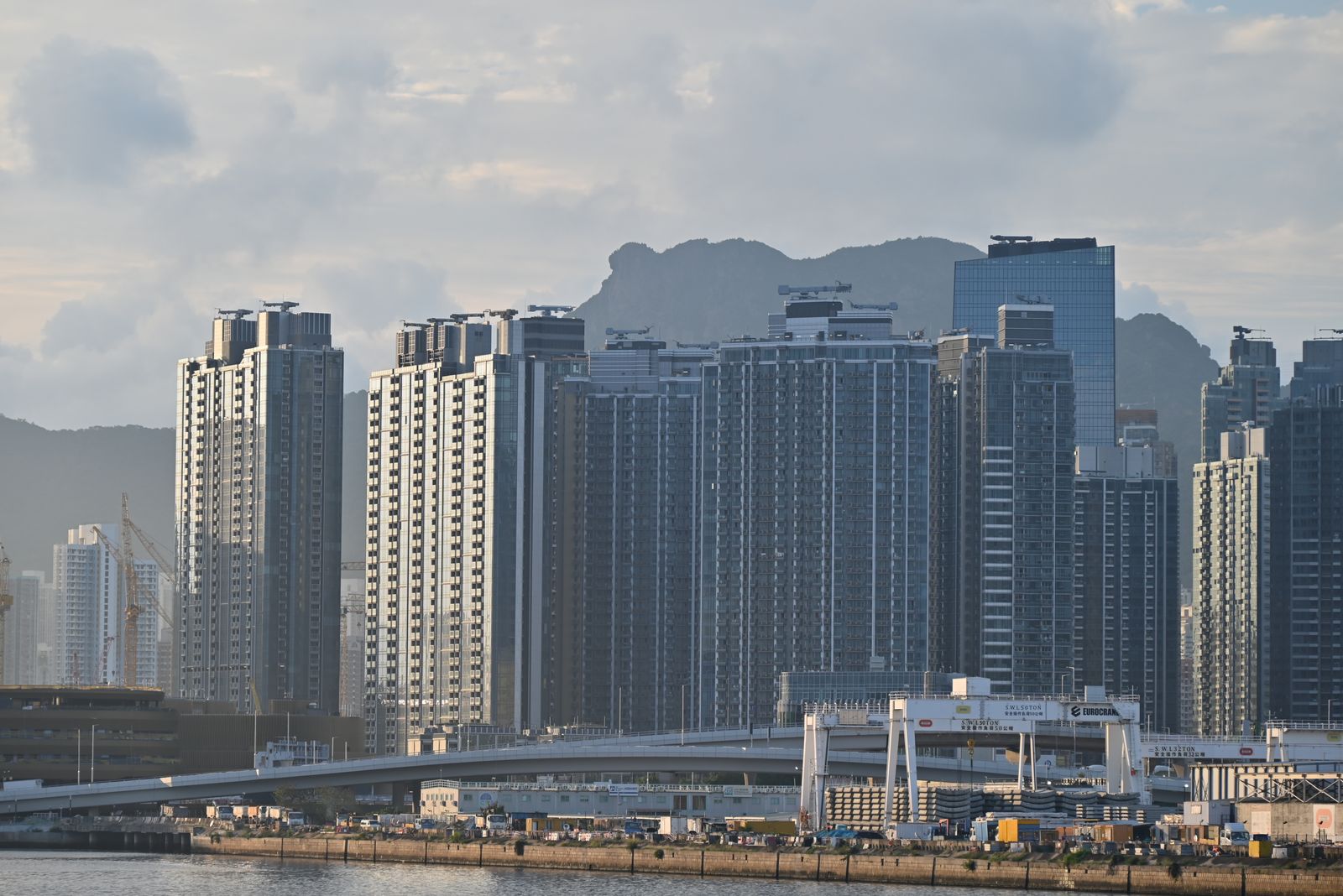
Hong Kong
Use Hong Kong's free-port position carefully, separating local bilingual retail demand from re-export plans and dutiable or licensed product checks.
Explore the country
India
Enter India one metro and channel at a time, with FSSAI or BIS category review, localized pricing, and verified state-level distributor coverage.
Explore the country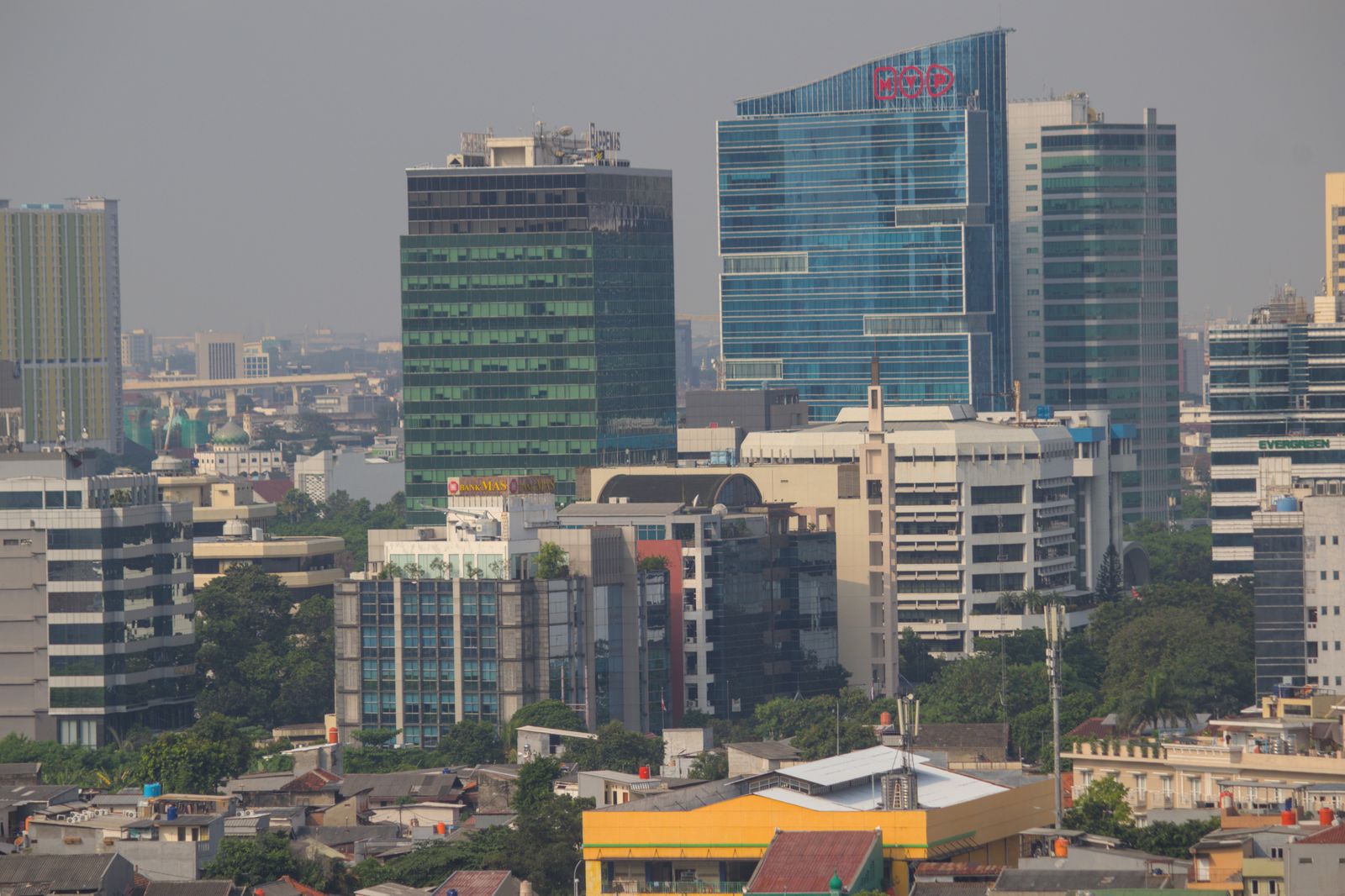
Indonesia
Enter Indonesia through marketplace-led channels, BPOM and halal preparation, Bahasa Indonesia materials, and a partner with verified island-level coverage.
Explore the country
Japan
Prepare for Japanese buyer evaluation with precise product information, a clearly differentiated assortment, suitable partners, and dependable quality control.
Explore the country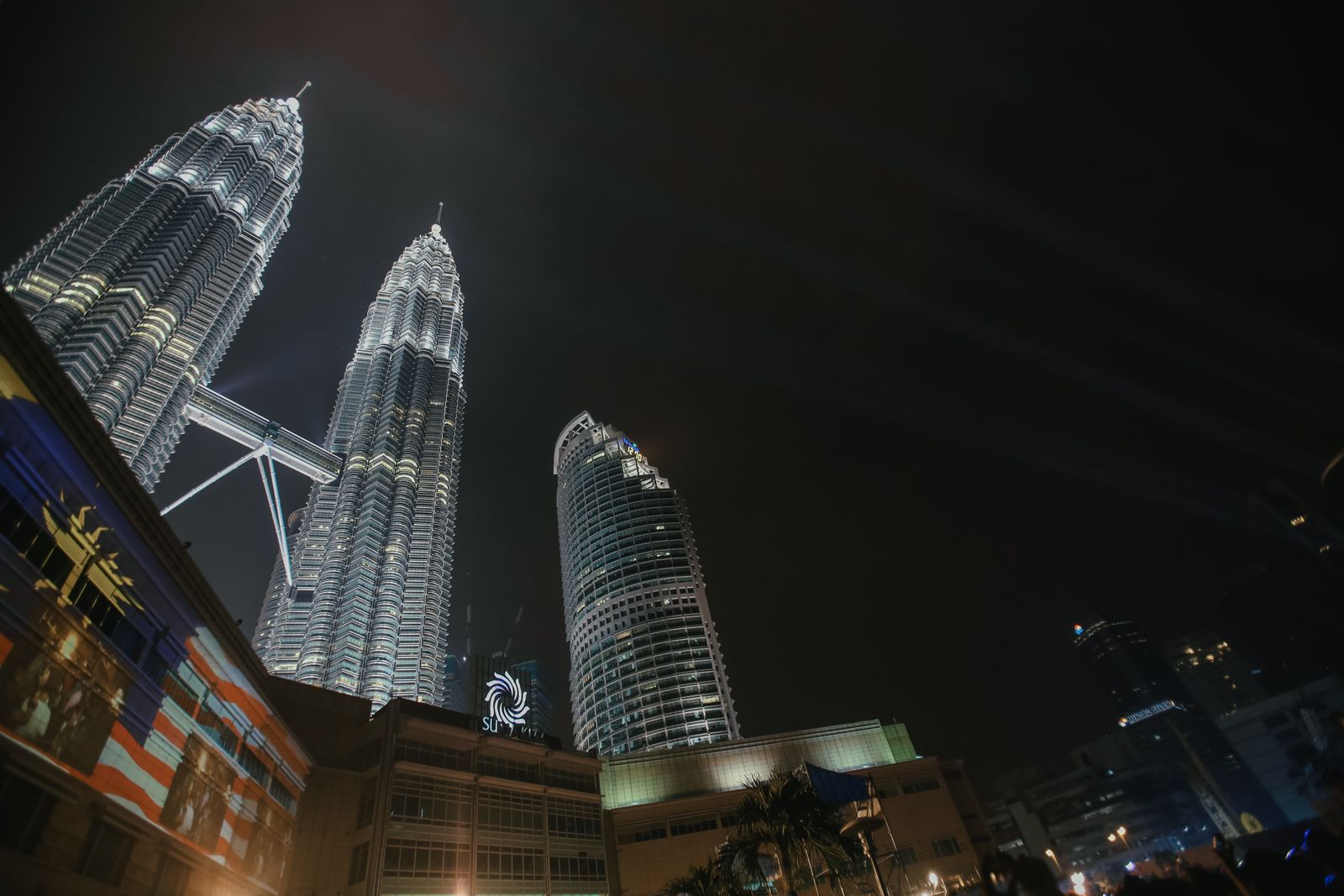
Malaysia
Plan Malaysia around marketplace-led ecommerce, concentrated retail buyers, halal and Bahasa Malaysia preparation, and peninsula versus East Malaysia logistics.
Explore the country
New Zealand
Plan New Zealand around concentrated grocery buyers, strict biosecurity review, small-volume freight economics, and repeat-order evidence.
Explore the country
Philippines
Test the Philippines with Shopee and Lazada channels, Philippine FDA category work, peso pricing, and fulfillment planned beyond Metro Manila.
Explore the country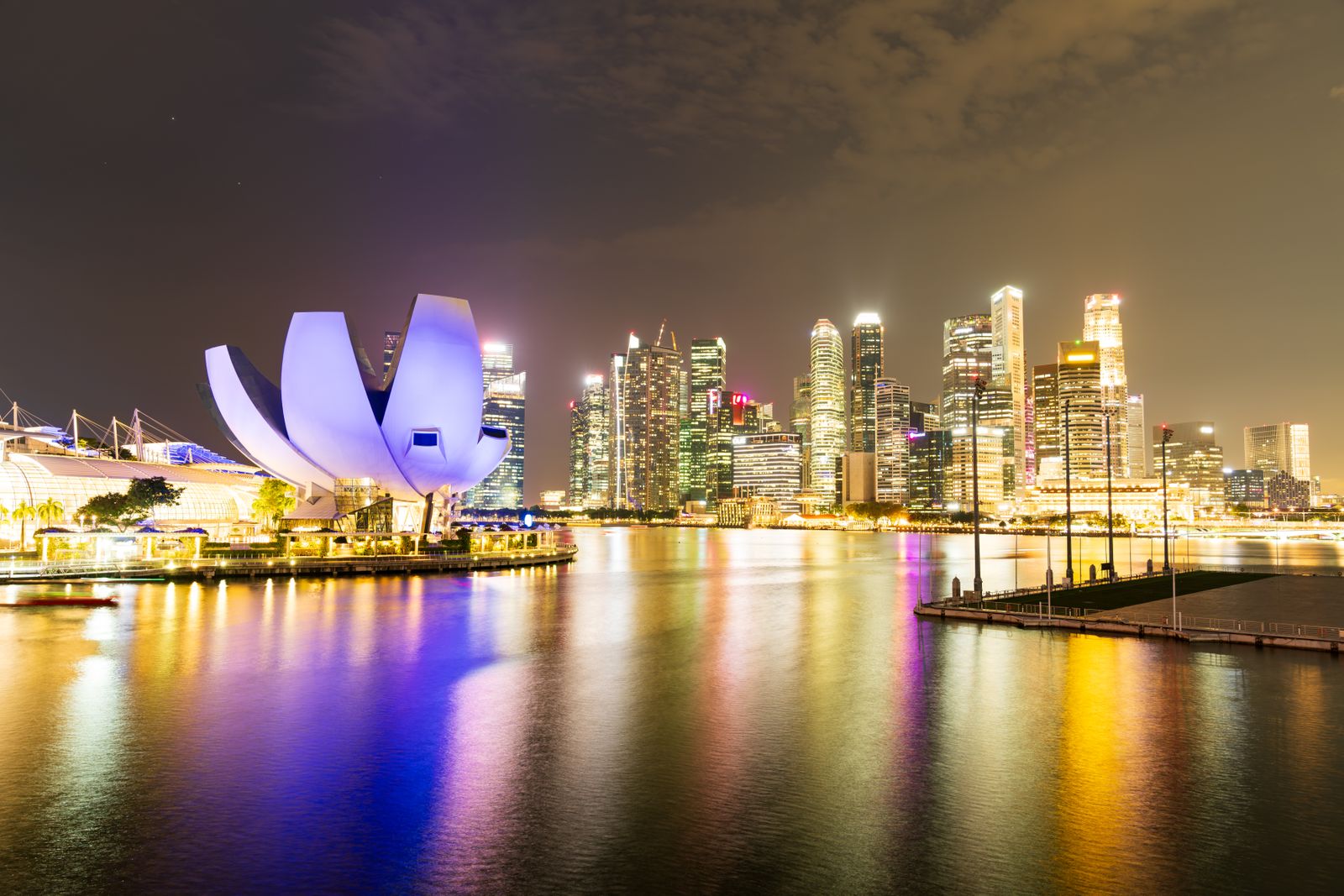
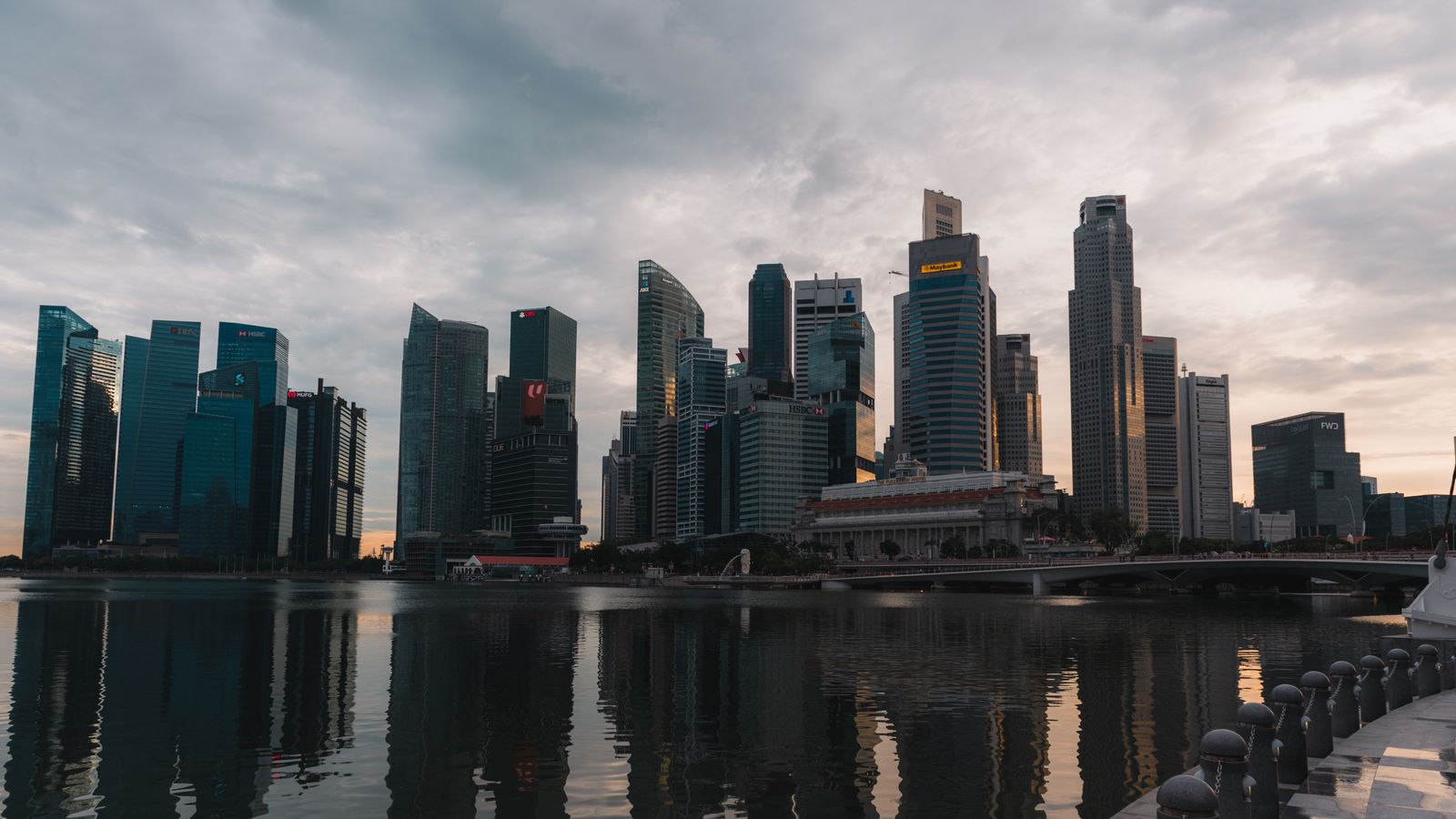
Singapore
Distinguish Singapore customer demand from regional headquarters or fulfillment plans, with a tight assortment and clear country-level responsibilities.
Explore the country
South Korea
Assess South Korean channel fit, localized digital presentation, importer capability, and the support needed to convert interest into repeat demand.
Explore the country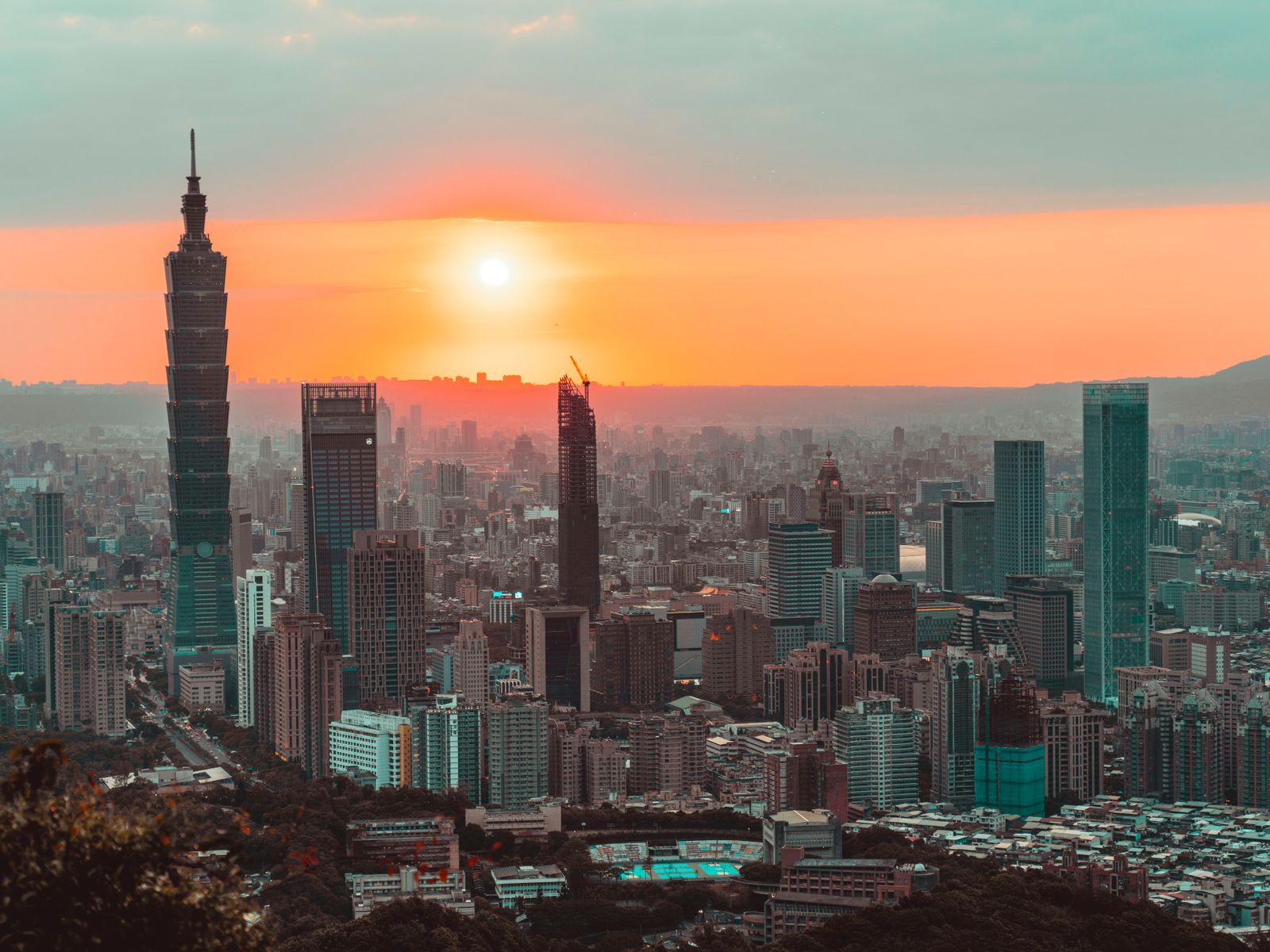
Taiwan
Build Taiwan entry on convenience and marketplace channels, TFDA registration ownership, Traditional Chinese labeling, and measured sell-through.
Explore the country
Thailand
Enter Thailand through marketplace-savvy channels, a clearly accountable importer, Thai FDA category work, and baht pricing tested beyond Bangkok.
Explore the country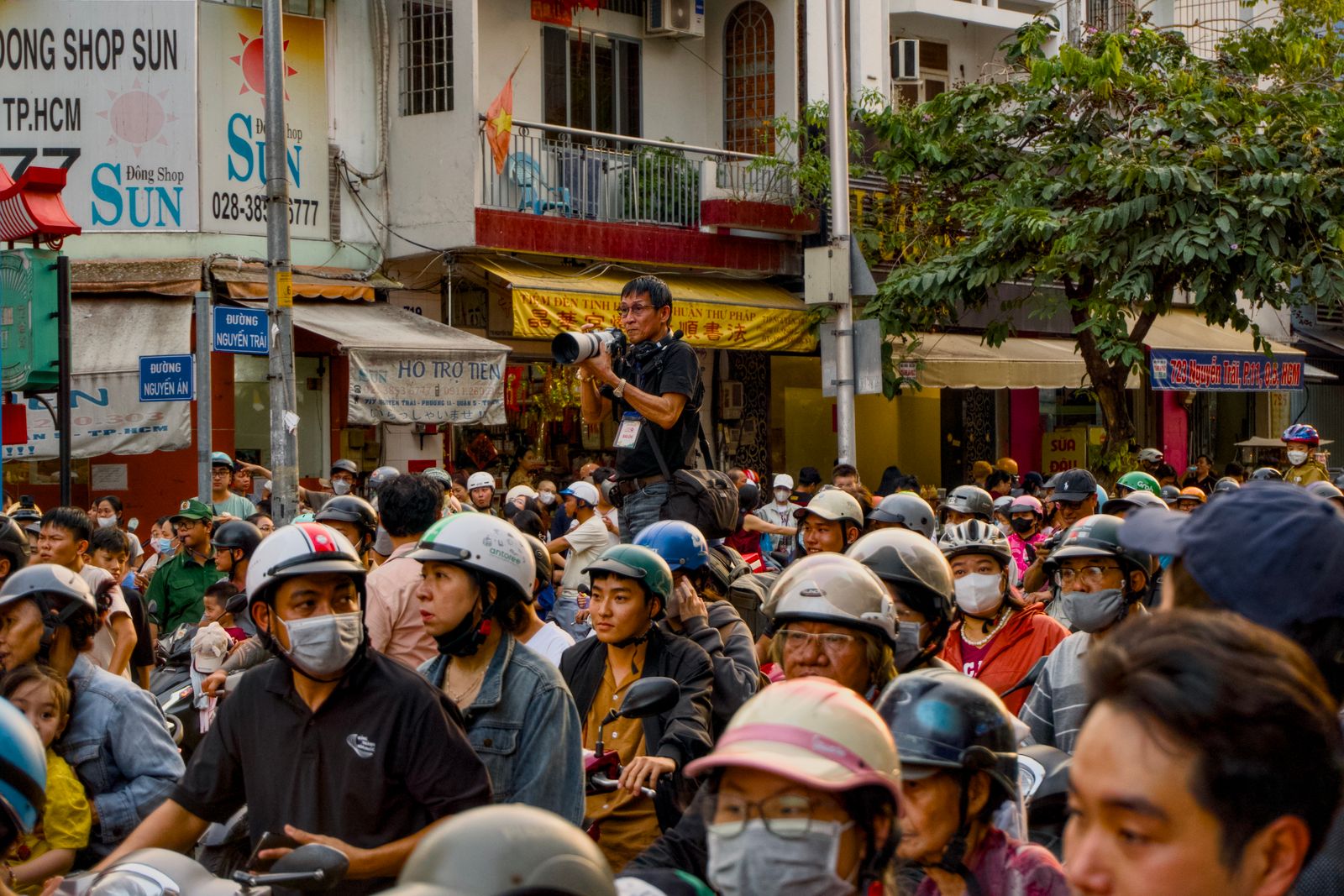
Vietnam
Test Vietnam with digital-first channels, an accountable importer, Vietnamese labeling, and separate Hanoi and Ho Chi Minh City demand hypotheses.
Explore the countryPlan your next step in Asia Pacific.
Tell us your product, current markets, target customer and the questions you need to resolve. We can discuss a focused market-entry brief, partner research and specialist coordination.