Latin America.
Local insight for your next growth chapter.

Compare selected economies.
2024 reference-year data, not a live forecast. Use economic scale as context—not as a measure of demand for your product.
| Economy | GDP (current US$) | Population | GDP per capita (current US$) | Real GDP growth |
|---|---|---|---|---|
| Argentina | US$638.37 billion | 45.70 million | US$13,970 | -1.3% |
| Brazil | US$2.19 trillion | 212.00 million | US$10,311 | 3.4% |
| Chile | US$329.26 billion | 19.76 million | US$16,659 | 2.8% |
| Colombia | US$420.50 billion | 52.89 million | US$7,951 | 1.5% |
| Costa Rica | US$96.72 billion | 5.13 million | US$18,853 | 4.1% |
| Dominican Republic | US$124.28 billion | 11.43 million | US$10,876 | 5.0% |
| Ecuador | US$123.80 billion | 18.14 million | US$6,827 | -1.9% |
| Guatemala | US$113.22 billion | 18.41 million | US$6,151 | 3.7% |
| Panama | US$86.52 billion | 4.52 million | US$19,161 | 2.7% |
| Peru | US$291.75 billion | 34.22 million | US$8,526 | 3.5% |
| Uruguay | US$82.32 billion | 3.39 million | US$24,308 | 3.3% |
Source: World Bank World Development Indicators · Retrieved 2026-09-17 · CC BY 4.0. GDP and GDP per capita use current US dollars, not purchasing-power parity. GDP per capita is not household income; growth is the annual change in real GDP. Figures are rounded and subject to revision. Missing observations are shown as unavailable, never zero. A fixed 2024 snapshot keeps comparisons on the same reference year; newer releases may exist.
Explore the opportunity
Successful expansion starts with understanding local customers and channel economics. We help assess market demand, distributor fit, payment considerations, localization, and the operational realities of selected Latin American markets.
Country-specific import requirements, pricing, tax, and product registration should be reviewed before commercial commitments are made.
We connect market selection with partner development and practical launch planning, keeping your team focused on the opportunities that fit your business.
A regional strategy, country-level decisions
Latin America is neither one customs union nor a Spanish-language market with uniform regulations. The selected guides cover Brazil, Chile, Colombia, and Peru, while many other South American, Central American, Caribbean, and Mexican opportunities require separate assessment. Mexico appears in this site's North America guides for navigation; that does not exclude it from Latin America. Brazil belongs to Mercosur, while Chile, Colombia, Peru, and Mexico form the Pacific Alliance. Those arrangements do not make an imported product automatically eligible for sale throughout the region. Start with a city cluster, customer problem, and viable importer relationship. A regional retailer's corporate footprint can help identify potential accounts, but it cannot replace country-specific registration, buying approval, distribution, or working-capital planning.
Separate trade arrangements from national product rules
The Pacific Alliance's official site identifies its four member countries and work on market access, technical barriers, and customs cooperation. Use the applicable agreement and national customs sources to check origin and tariff treatment for the actual product. Neither onward shipment through Chile nor purchase by a regional distributor automatically changes origin. Mercosur arrangements relevant to Brazil are distinct from Pacific Alliance cooperation and from bilateral agreements; do not quote a single Latin American duty rate.
For Brazil, separate Receita Federal customs and tax questions from Anvisa's health-regulated categories, MAPA's agricultural responsibilities, and applicable Inmetro conformity requirements. Anvisa's official portal distinguishes food, cosmetics, medicines, and devices; the registration or notification route depends on classification. In Chile, investigate Servicio Nacional de Aduanas clearance, MINSAL and regional health-authority food requirements, SAG controls for relevant agricultural goods, and SEC requirements for applicable electrical or fuel products.
In Colombia, DIAN customs processes sit alongside INVIMA food, health, and cosmetics oversight; ICA may be relevant for agricultural goods. In Peru, SUNAT customs, DIGESA responsibilities for relevant processed foods, SENASA agricultural controls, and DIGEMID health-product oversight should be mapped separately. Agree who holds authorizations and maintains records. Regional regulatory cooperation is not evidence that one country's registration is accepted unchanged in another.
Investigate local banners and the wholesale route
Cencosud's official country directory includes Brazil, Chile, Colombia, and Peru, making it a useful starting point for researching country operations rather than assuming common procurement. Relevant banner examples include Jumbo in Chile and Colombia and Wong and Metro in Peru. In Brazil, compare the channel economics of a supermarket proposition with wholesale or cash-and-carry formats such as Assaí. These examples identify possible research channels, not recommended partners or available listings.
Ask whether a distributor reaches central buying offices, regional warehouses, independent stores, or foodservice customers. A national chain listing and a wholesaler supplying smaller shops create different pack, credit, and merchandising requirements. For industrial products, a local technical distributor with demonstrable installation and spare-parts capability may matter more than retail reach. Separate marketplace listing, payment collection, importation, and returns ownership. Verify the partner's live accounts in the target city and category rather than relying on a regional revenue figure or a list of familiar logos.
Test affordability, use occasions, and local communication
Useful hypotheses could include Brazilian small-business buyers testing cost per use, Chilean specialist retailers seeking a differentiated functional benefit, Colombian foodservice kitchens evaluating consistent yield, or Peruvian maintenance contractors needing dependable replacement parts. None implies a uniform national preference. Compare everyday and premium options within the chosen channel, including pack size, financing where relevant, service, and the actual delivered price. A smaller pack can improve the immediate purchase price while worsening value per unit; test both dimensions.
Brazil requires a Portuguese localization plan, not a Spanish master pack. Chilean, Colombian, and Peruvian Spanish also need local category review for terminology, mandatory information, claims, and customer support. Check nutrition declarations and front-of-pack requirements separately for each destination rather than copying a neighboring country's warning symbols. Review advertising and ecommerce content alongside the physical label. Other languages should follow audience research and applicable rules, not be dismissed because a procurement conversation takes place in Spanish or Portuguese.
Model the port-to-customer route and cash requirements
Compare Brazilian port entry and inland delivery to the actual account cluster rather than treating São Paulo as shorthand for the entire country. Chile's long north-south geography makes service outside the initial central-market cluster a separate budget question. For Colombia, a Caribbean or Pacific port route to an inland customer needs a route-specific quote. In Peru, distinguish a Lima-area launch from distribution to other coastal or inland destinations. Obtain current transit and clearance assumptions from the broker and carrier; do not turn geographic observations into guaranteed lead times.
Calculate duties, taxes, brokerage, domestic freight, warehousing, retailer deductions, and returns with local advice. Verify whether taxes are recoverable and when cash is actually recovered. Stress-test exchange-rate movement between quotation, customs payment, and customer collection. For perishable goods, track remaining shelf life through inspection and warehouse intake. For equipment, cost service travel, consumable replenishment, and spare stock. Agree who bears demurrage, failed delivery, damaged packs, and obsolete inventory before the first shipment.
Choose launch gates that prevent expensive rework
Begin with one country, a small assortment, and a defined channel. Resolve importer eligibility and product classification, obtain artwork review, and test the compliant proposition with buyers before scaling production. Require sales and inventory reports that distinguish shipment to the distributor from onward sell-through. Set credit limits, exchange-rate assumptions, reorder triggers, and a review date appropriate to the buying cycle.
Avoid a single “Latin America distributor” contract without country-level capabilities, a Spanish-only Brazil launch, or the assumption that Pacific Alliance membership eliminates all border costs. Do not grant control of registrations or customer data without reviewing continuity and exit arrangements. Expand when collected revenue, repeat demand, and service reliability support the next country's additional compliance and operating costs, not merely when a partner offers to take more territory.
Sources and further research
Official agencies and first-party business sources provide starting points for further investigation. Linked pages can change; this guide does not certify that every rule or supplier condition is current. Confirm product-specific rules, deadlines, fees, and buyer criteria directly before acting. The economic snapshot above has its own reference year and retrieval date.
- Pacific Alliance — members and trade cooperation
- Brazil — Anvisa health regulatory agency
- Chile — Ministry of Health
- Chile — Agricultural and Livestock Service
- Colombia — INVIMA
- Peru — SUNAT customs and tax administration
- Cencosud — official country and business directory
Connect market research, partner development, and specialist coordination. Contact us about Latin America to define a practical next step.
Latin America, in 60 seconds.
The numbers, the buyers and the realities of selling in Latin America — the short version.
Explore individual markets.
Different countries. Different commercial realities. Start with the context that matters to your next move.

Argentina
Enter Argentina with a clear importer structure, agency-level category review, Mercosur-aware pricing, and carefully managed currency and payment exposure.
Explore the country
Brazil
Assess Brazil with Portuguese-language selling, a clearly accountable importer, regional channel priorities, and a carefully reviewed landed-cost model.
Explore the country
Chile
Evaluate Chilean channels with a focused buyer proposition, attention to long-distance service, and product-specific import and labeling review.
Explore the country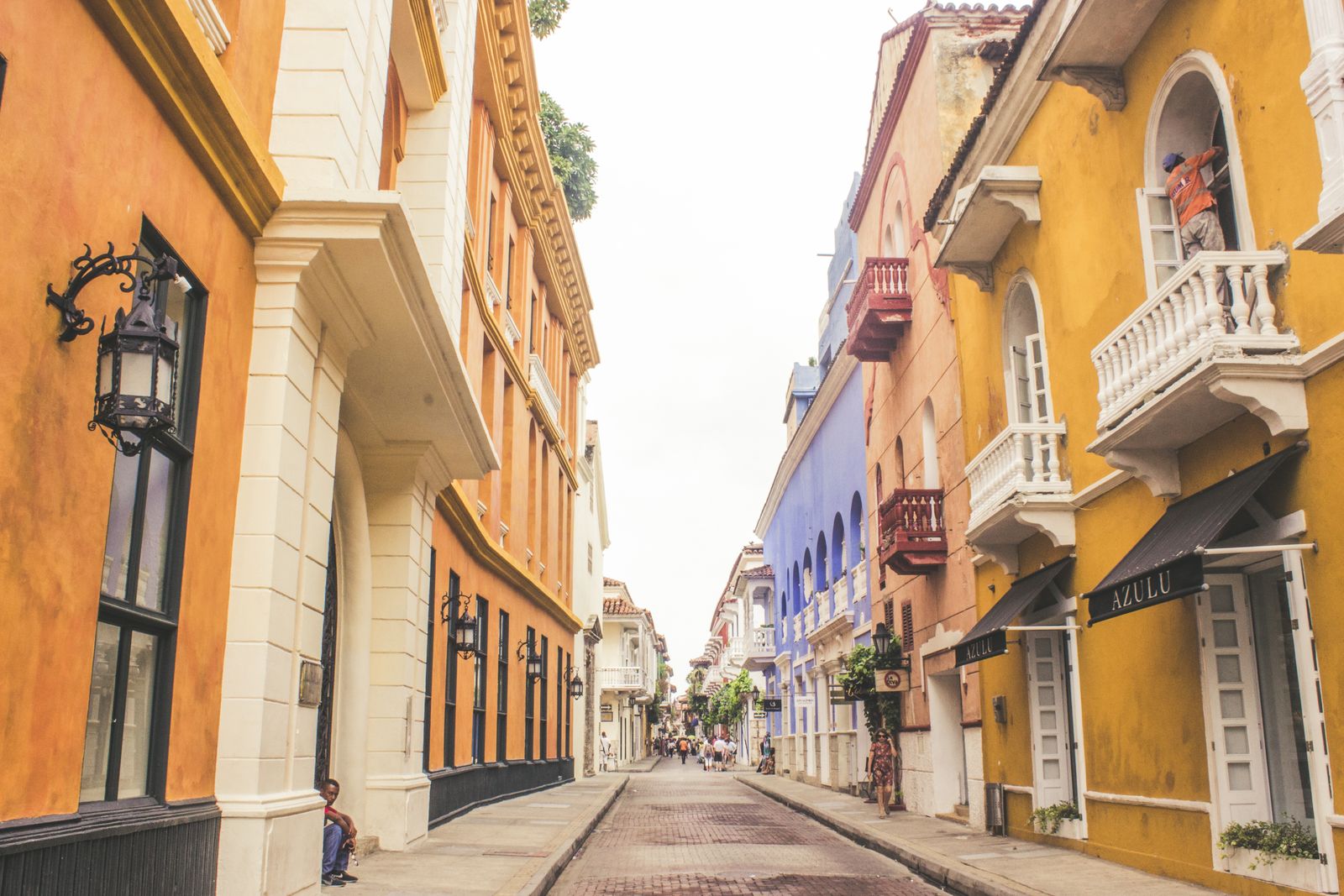
Colombia
Build a Colombia plan around city-level demand, channel-specific partners, reliable inland distribution, and disciplined credit and product preparation.
Explore the country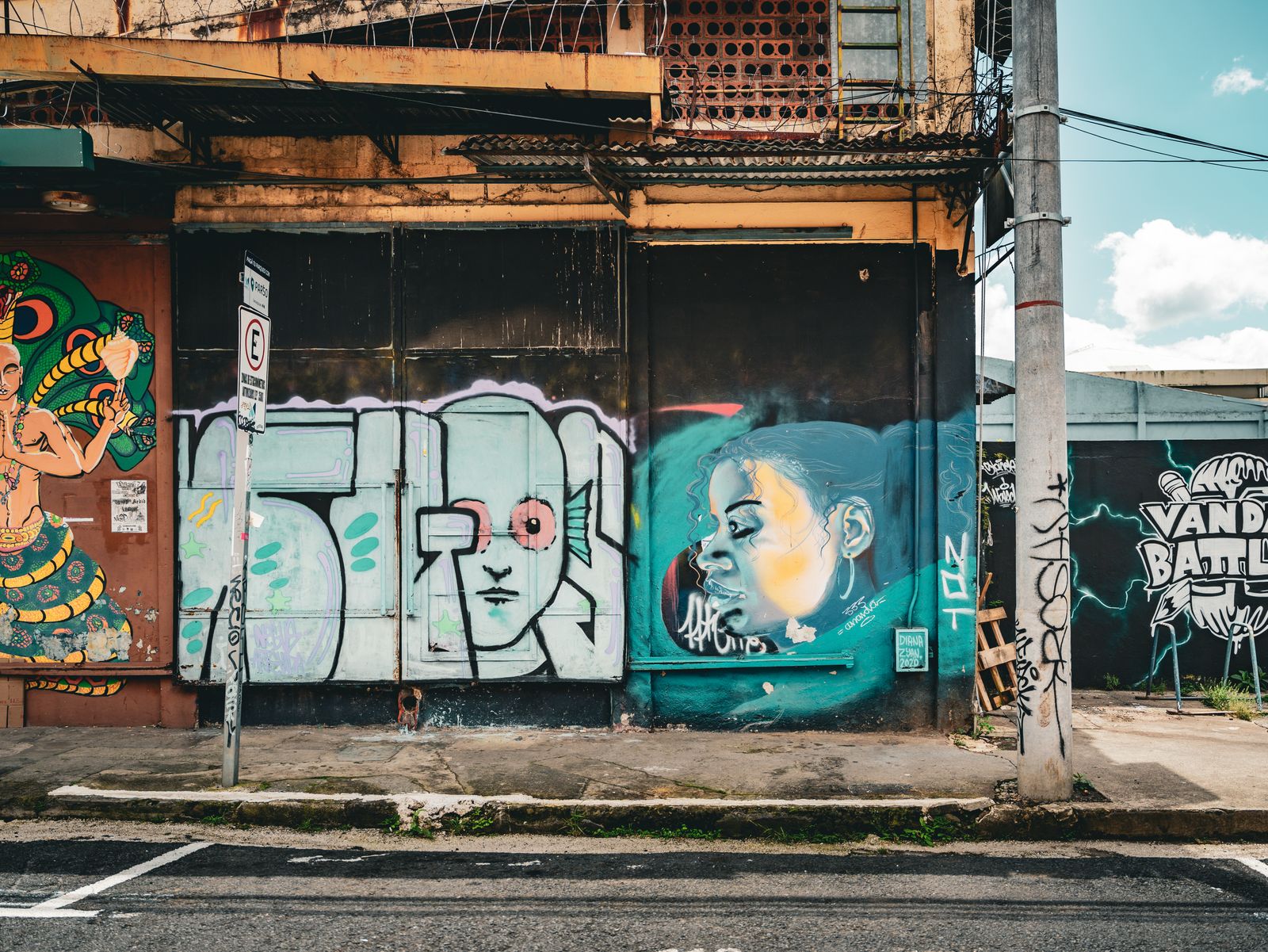
Costa Rica
Plan Costa Rica through sanitary registration, Spanish localization, supermarket and membership-club channels, and realistic Central American logistics.
Explore the country
Dominican Republic
Plan Dominican Republic entry with customs preparation, health-ministry registration, Spanish localization, and account-level retail testing.
Explore the country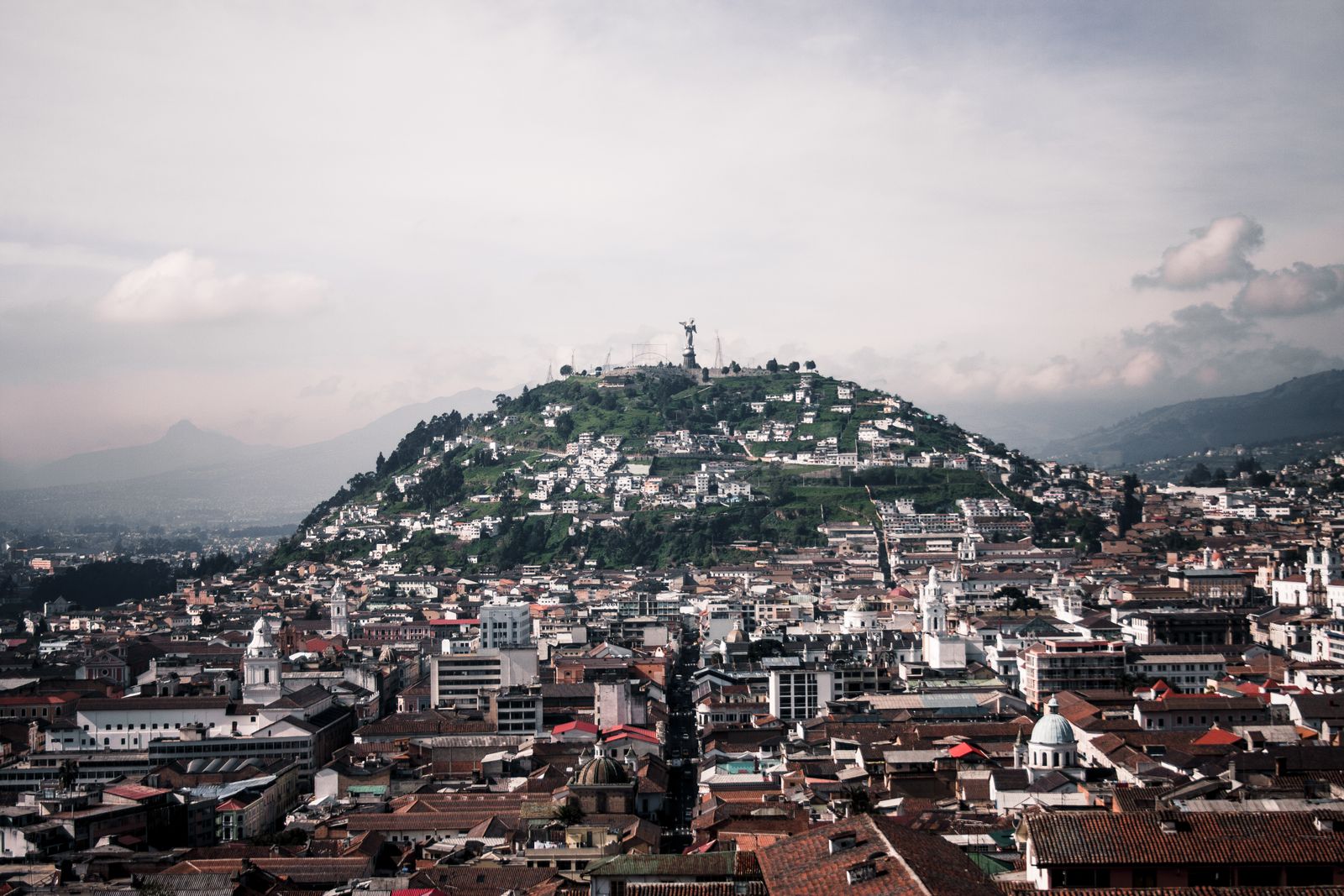
Ecuador
Approach Ecuador with SENAE-led import planning, sanitary registration where applicable, dollarized pricing, and channels tested city by city.
Explore the country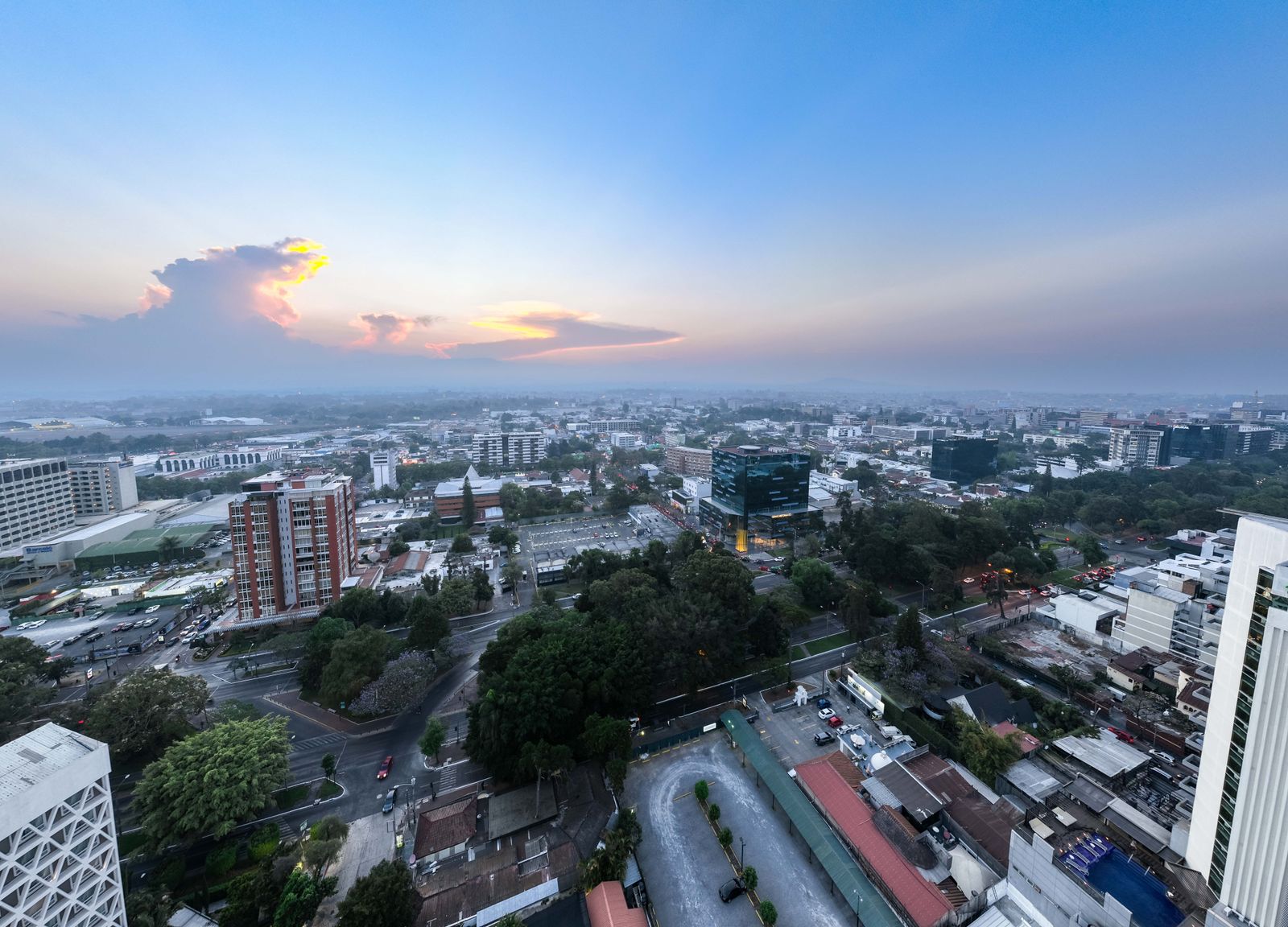
Guatemala
Build Guatemala entry on customs preparation, sanitary registration, Spanish localization, and a partner that develops accounts beyond the capital.
Explore the country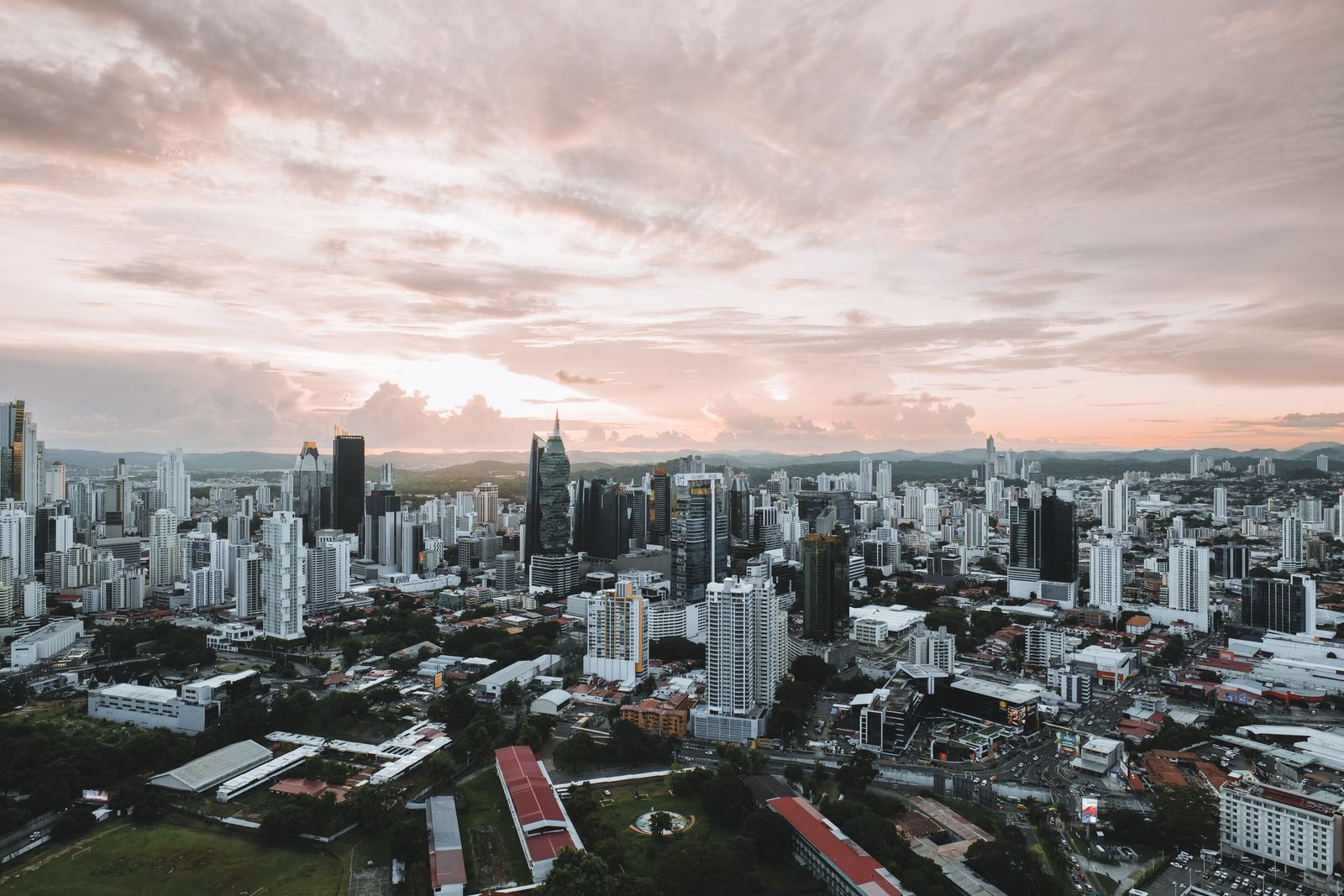
Panama
Evaluate Panama as both a domestic market and a logistics hub, separating re-export ambitions from local registrations, channels, and account development.
Explore the country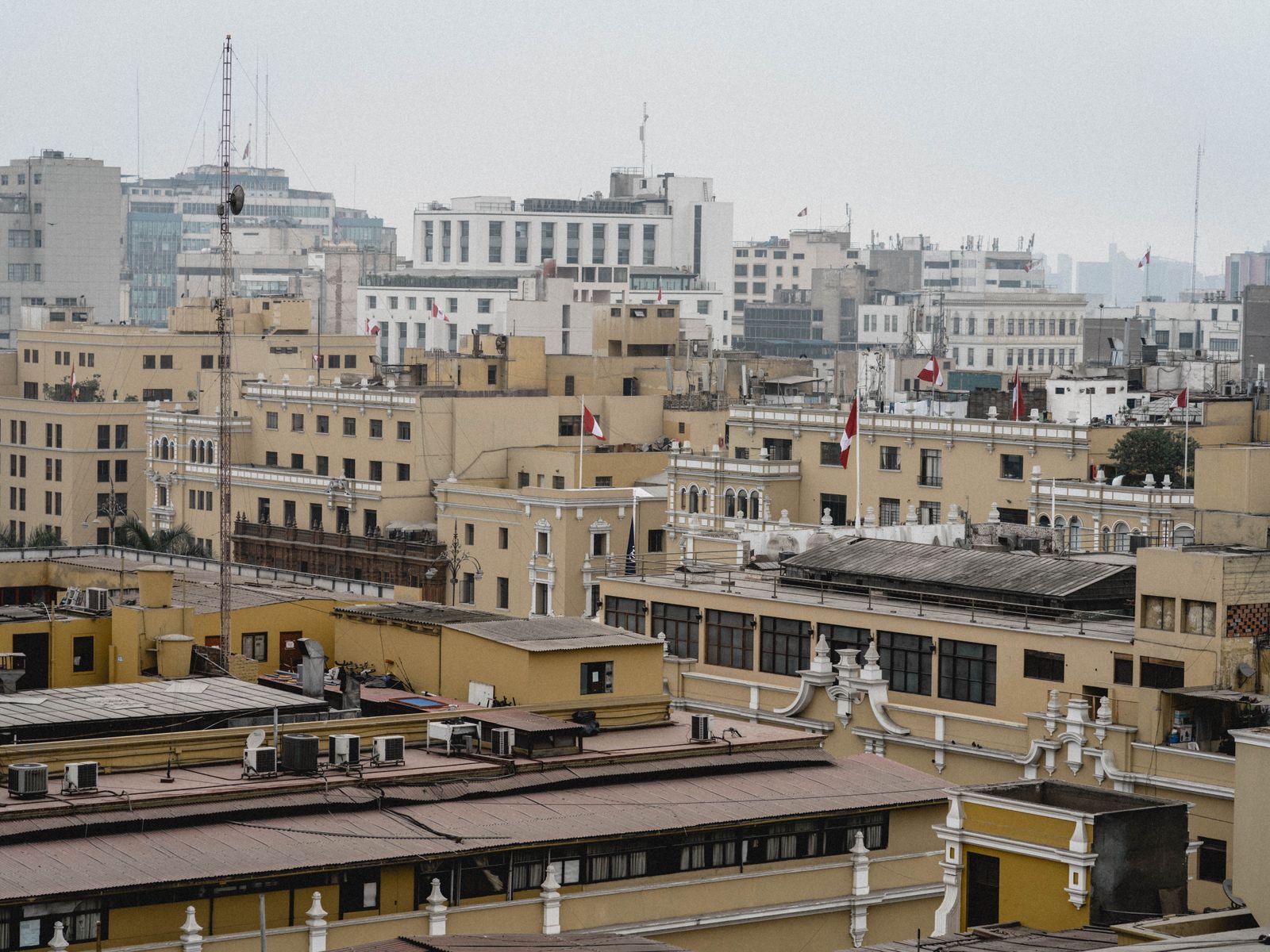
Peru
Assess Peru through identifiable buyers, a workable Lima-to-region service model, importer diligence, and realistic replenishment and payment planning.
Explore the country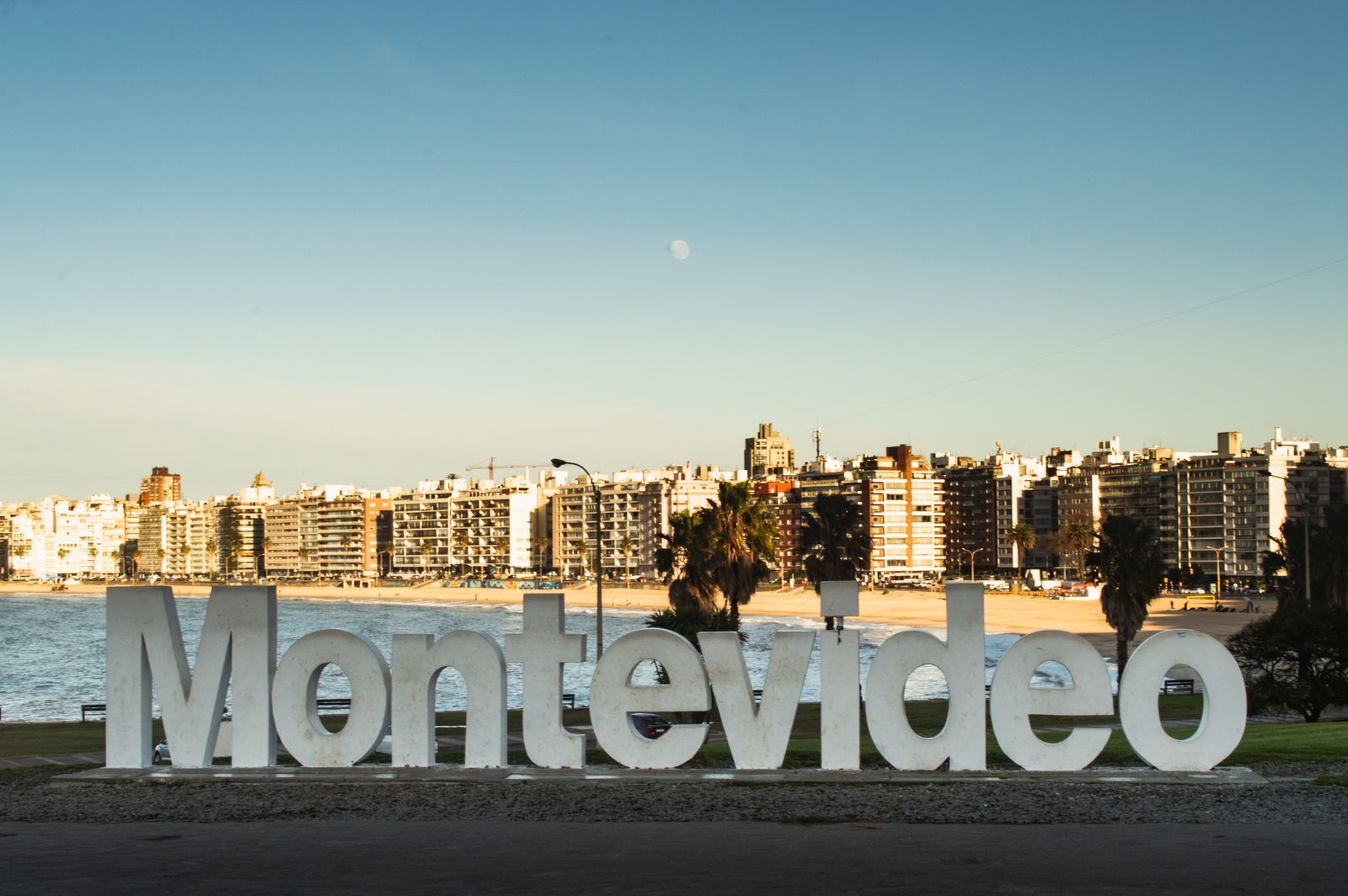
Uruguay
Assess Uruguay as a compact, organized market with a clear importer, Mercosur documentation, Spanish localization, and channels tested past Montevideo.
Explore the countryPlan your next step in Latin America.
Tell us your product, current markets, target customer and the questions you need to resolve. We can discuss a focused market-entry brief, partner research and specialist coordination.