Middle East.
Find the right partners in relationship-led markets.

Compare selected economies.
2024 reference-year data, not a live forecast. Use economic scale as context—not as a measure of demand for your product.
| Economy | GDP (current US$) | Population | GDP per capita (current US$) | Real GDP growth |
|---|---|---|---|---|
| Bahrain | US$47.21 billion | 1.59 million | US$29,717 | 2.9% |
| Egypt | US$389.06 billion | 116.54 million | US$3,338 | 2.4% |
| Israel | US$542.28 billion | 10.00 million | US$54,217 | 1.0% |
| Jordan | US$58.62 billion | 11.55 million | US$5,074 | 2.6% |
| Kuwait | US$160.90 billion | 4.90 million | US$32,856 | -1.5% |
| Oman | US$107.14 billion | 5.28 million | US$20,285 | 1.6% |
| Qatar | US$216.29 billion | 2.86 million | US$75,685 | 3.1% |
| Saudi Arabia | US$1.25 trillion | 35.30 million | US$35,528 | 2.6% |
| United Arab Emirates | US$552.32 billion | 10.99 million | US$50,274 | 4.0% |
Source: World Bank World Development Indicators · Retrieved 2026-09-17 · CC BY 4.0. GDP and GDP per capita use current US dollars, not purchasing-power parity. GDP per capita is not household income; growth is the annual change in real GDP. Figures are rounded and subject to revision. Missing observations are shown as unavailable, never zero. A fixed 2024 snapshot keeps comparisons on the same reference year; newer releases may exist.
Explore the opportunity
A focused partner strategy can make market entry more manageable. We help brands evaluate markets such as the UAE and Saudi Arabia through the lens of customer demand, channel structure, product suitability, and local execution.
Registration, labeling, import arrangements, and category-specific requirements need country-level review. We coordinate with qualified specialists rather than treating the region as one regulatory market.
Our commercial work can include distributor research, qualification, outreach, meeting coordination, and onboarding support.
A regional strategy, country-level decisions
The Middle East is not synonymous with the Gulf Cooperation Council, and the GCC is not a single product-registration desk. The selected guides focus on the United Arab Emirates, Saudi Arabia, Qatar, and Oman: four GCC members with different market sizes, import processes, retail structures, and service geographies. Bahrain and Kuwait are additional GCC members, while other Middle Eastern destinations require their own political, legal, commercial, and logistics assessment. A UAE headquarters or free-zone warehouse can support a regional operation, but does not establish permission to sell into Saudi Arabia or prove customer demand in Oman. Build the plan around a named destination, product category, buyer segment, and importer, then assess whether a Gulf distribution arrangement adds real value.
Build a country-by-country regulatory responsibility map
GCC cooperation and common standards can be relevant, but national implementation, product scope, and border procedures still need checking. In the UAE, investigate Ministry of Industry and Advanced Technology conformity requirements where applicable, the relevant customs authority, and food or consumer-product responsibilities at emirate level. Dubai Municipality and the Abu Dhabi Agriculture and Food Safety Authority are examples of authorities whose remit depends on product and destination. A Dubai registration should not be described as a universal Gulf approval.
For Saudi Arabia, distinguish the Saudi Food and Drug Authority's food, pharmaceutical, medical-device, and cosmetics responsibilities from SASO technical regulations. The official SABER platform describes product registration, conformity documentation, and consignment certification processes; applicability depends on the goods and route. ZATCA customs responsibilities are another workstream. Do not assume that obtaining one certificate completes every requirement.
In Qatar, the Ministry of Public Health is a starting point for food and health-category oversight, alongside the General Authority of Customs. In Oman, check the Ministry of Agriculture, Fisheries and Water Resources' food-safety remit and Royal Oman Police customs processes through Bayan. Map importer licensing, ingredients, claims, Arabic information, shelf-life rules, and any category-specific halal evidence before production. Halal requirements should be investigated for the actual product and country, not asserted for every export.
Distinguish retail access from a distributor's regional address
Lulu Retail is a useful grocery-channel research example across the UAE, Saudi Arabia, Qatar, and Oman. Its official site distinguishes retail, wholesale, sourcing, and support operations: an overseas sourcing office is not the same thing as an in-country retail buyer. Country-specific examples also include Panda in Saudi Arabia, Al Meera in Qatar, and Union Coop in the UAE. Verify current category buying arrangements and store coverage directly rather than assuming group-level access.
Hotel, restaurant, catering, pharmacy, and industrial channels require different partner capabilities. A foodservice importer supplying hotels may have no effective supermarket merchandising team. Ask prospective partners for named account types, temperature-controlled capacity where needed, reporting samples, sales coverage, and collection responsibilities. Clarify agency versus distribution status with local legal advice, including registration ownership and exit arrangements. Avoid granting broad regional exclusivity merely because a distributor maintains a Dubai office.
Research occasions and price points without cultural shortcuts
Potential tests include consistent portion yields for UAE hospitality kitchens, repairable equipment for Saudi maintenance contractors, convenient household formats in a defined Qatari retail catchment, or reliable replenishment for Omani specialist shops. Compare resident and visitor occasions where relevant, but do not use citizenship, religion, or expatriate status as a shortcut for willingness to pay. Test value, mainstream, and premium propositions against actual competitor packs and buyer interviews.
Arabic and English may both be commercially useful, but mandatory labeling must be checked locally and category by category. Other support languages should follow the actual customer base. Have a qualified reviewer check right-to-left layout, ingredients, warnings, dates, claims, imagery, and brand transliteration. Coordinate packaging, ecommerce content, manuals, and service scripts. Ramadan and other holidays may affect ordering calendars or operating hours; ask each account how it plans rather than predicting a uniform seasonal sales uplift.
Stress-test the physical route and cash cycle
Compare direct import into the destination with a UAE hub-and-re-export model. The second option can add handling, storage, border documentation, and inventory-financing costs even when consolidation is useful. Explain free-zone versus mainland movement to customs and tax advisers using the actual stock ownership and customer route. A duty or conformity assumption should never rest on the word “hub.”
For ports such as Jebel Ali, Jeddah, Hamad, or Sohar, obtain current carrier options and inland quotes rather than assuming equal lead times. Check maritime disruption, insurance, alternative routing, and border contingencies close to shipment. Validate heat exposure during unloading and final delivery, not only refrigerated warehouse temperatures. Saudi multi-city coverage and an Oman route beyond Muscat require their own delivery and field-service budgets. Agree credit limits and payment milestones that reflect the partner's operating plan, not an expectation that regional customers all pay alike.
Launch priorities and mistakes to prevent
Resolve importer and registration ownership first, then validate the final compliant pack with a narrow buyer group. Choose a manageable city or channel cluster, require stock-age and sell-through reporting, and connect reorder decisions to remaining shelf life and realized margin. For equipment, prove installation, training, and spare-parts capability before widening coverage.
The recurring errors are treating the Middle East as the GCC, treating GCC membership as automatic product acceptance, using UAE demand as a Saudi forecast, and printing bilingual artwork before category review. Also avoid a hospitality-led premium proposition when the reachable buyer is a price-sensitive wholesaler. Expand only after destination-specific compliance, partner execution, and collections have been tested; review current restrictions and counterparty requirements for every additional country.
Sources and further research
Official agencies and first-party business sources provide starting points for further investigation. Linked pages can change; this guide does not certify that every rule or supplier condition is current. Confirm product-specific rules, deadlines, fees, and buyer criteria directly before acting. The economic snapshot above has its own reference year and retrieval date.
- GCC Secretariat — regional cooperation framework
- Saudi Food and Drug Authority
- Saudi Arabia — official SABER conformity platform
- UAE — Ministry of Industry and Advanced Technology
- Qatar — Ministry of Public Health
- Oman — Directorate General of Customs
- Lulu Retail — official business and country operations
Connect market research, partner development, and specialist coordination. Contact us about Middle East to define a practical next step.
Middle East, in 60 seconds.
The numbers, the buyers and the realities of selling in Middle East — the short version.
Explore individual markets.
Different countries. Different commercial realities. Start with the context that matters to your next move.

Bahrain
Scope Bahrain as a distinct market with its own registrations and channels, treating Saudi proximity as an opportunity to test, not a shortcut.
Explore the country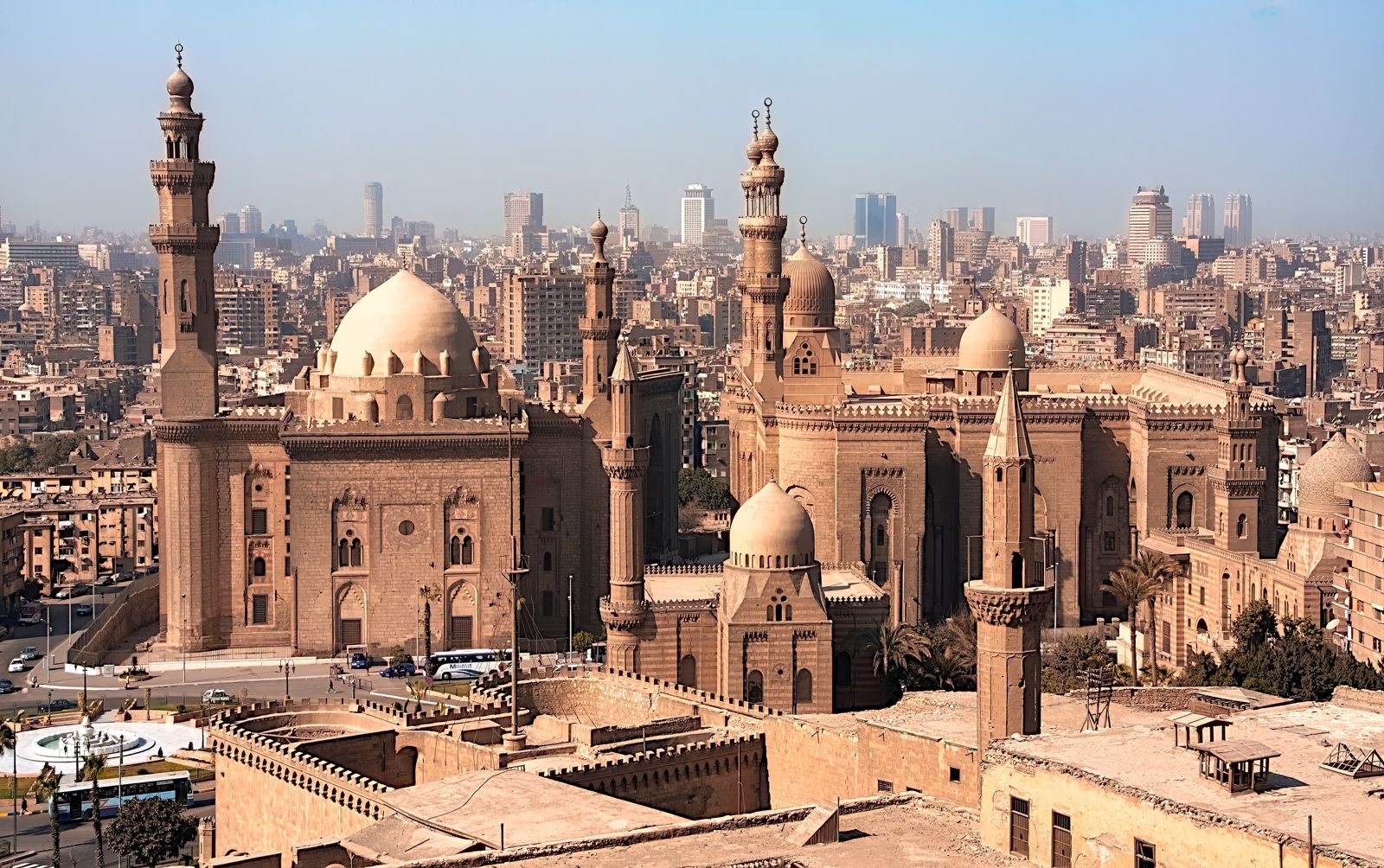
Egypt
Prepare Egypt with advance cargo registration, Arabic labeling, category approvals, and channels matched to wide differences in purchasing power.
Explore the country
Israel
Approach Israel through its distinct standards landscape, Hebrew and Arabic information needs, kosher questions for food, and direct-import retailers.
Explore the country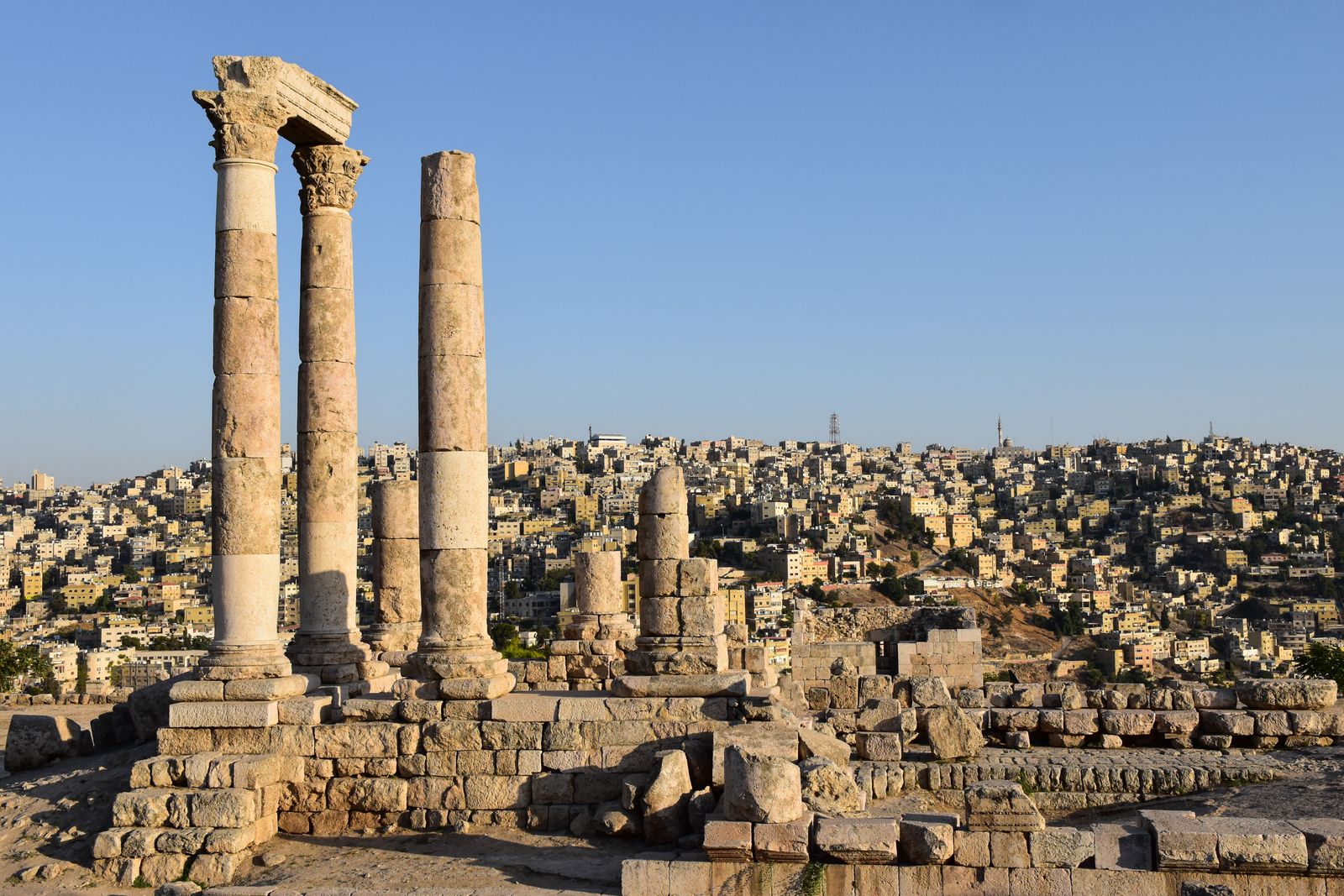
Jordan
Build a Jordan plan around a capable local partner, Amman-focused retail channels, Arabic materials, and nationally held category registration.
Explore the country
Kuwait
Plan a Kuwait entry around relationship-led partners, grocery co-op and hypermarket channels, Arabic materials, and country-level product registration.
Explore the country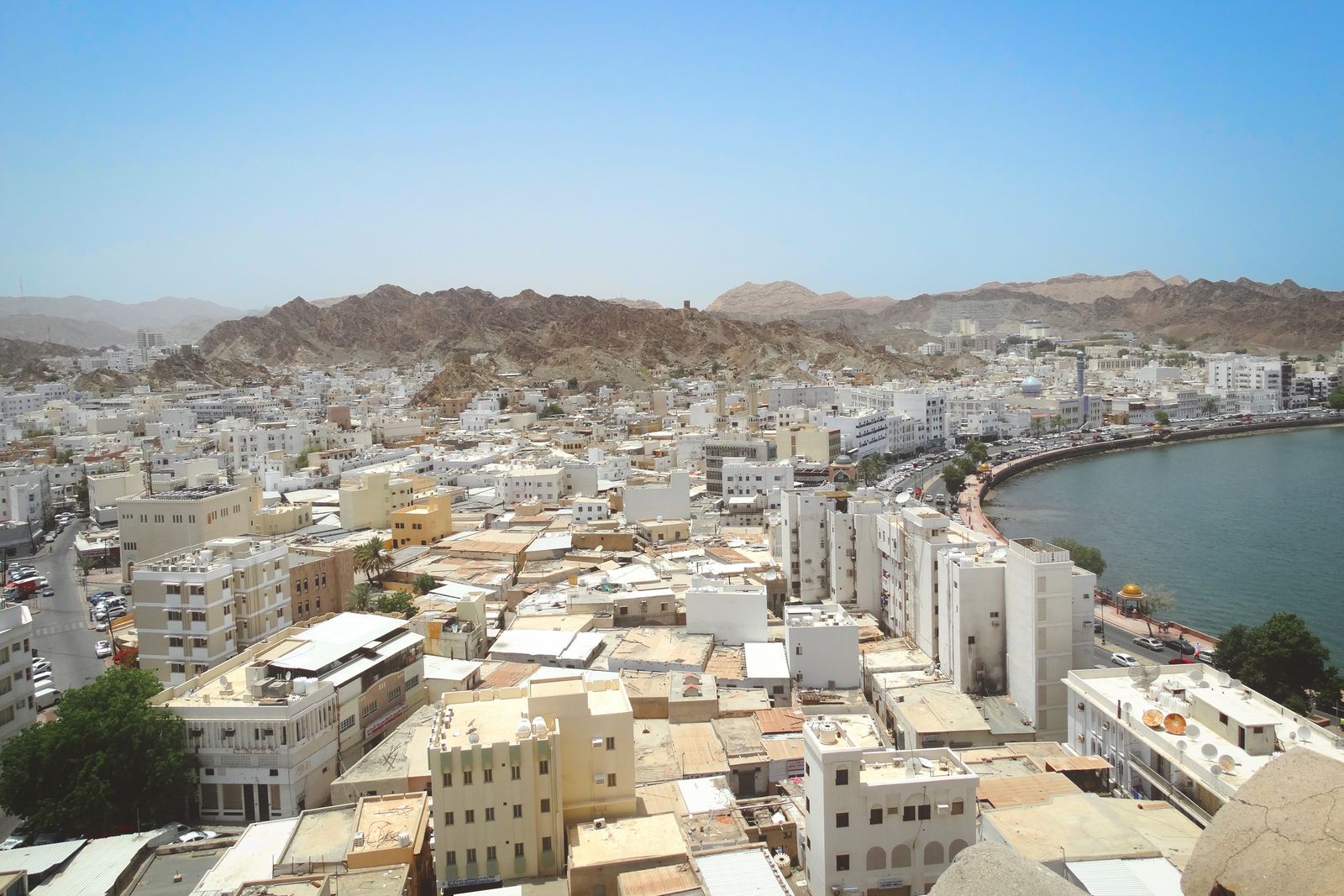
Oman
Build an Oman launch around practical distributor coverage, industrial or consumer use cases, stock discipline, and country-specific import review.
Explore the country
Qatar
Evaluate Qatar through a concentrated account strategy, importer capability, hospitality or project fit, and a disciplined approach to inventory.
Explore the country
Saudi Arabia
Prepare a Saudi launch with a defined city and channel focus, capable local representation, Arabic materials, and product-specific specialist review.
Explore the country
United Arab Emirates
Distinguish UAE domestic sales from regional re-export plans, with a clear importer structure, channel proposition, and climate-aware operating model.
Explore the countryPlan your next step in Middle East.
Tell us your product, current markets, target customer and the questions you need to resolve. We can discuss a focused market-entry brief, partner research and specialist coordination.